

What Is Chauffeur Service and When Is It Worth It?
A delayed flight into Miami, a tight meeting schedule in Fort Lauderdale, or a cruise departure from PortMiami can make ground transportation stressful...
What Is Chauffeur Service and When Is It Worth It?
A delayed flight into Miami, a tight meeting schedule in Fort Lauderdale, or a cruise departure from PortMiami can make ground transportation the most stressful part of a trip. So, what is chauffeur service? It is prearranged private transportation with a professional driver, a reserved vehicle, and a plan designed around your schedule rather than the next available ride.
For travelers who value punctuality, privacy, and a polished experience, chauffeur service is more than a ride from one address to another. It is door-to-door transportation managed with care: the right vehicle for the party, room for luggage, a professionally presented chauffeur, and a route planned before you step outside.
What Is Chauffeur Service?
Chauffeur service is a premium, reservation-based transportation experience in which a trained professional chauffeur drives you in a private vehicle. The service may be booked for a single airport transfer, a cruise port transfer, a point-to-point trip, several hours, a full day, or coordinated transportation for a group or event.
The defining difference is service. A chauffeur is expected to do more than operate the vehicle safely. They arrive on time, maintain a professional appearance, assist with luggage when appropriate, monitor the itinerary, and provide a calm, discreet environment for the passenger. The vehicle is reserved for your party, so there are no extra pickups, shared stops, or uncertainty over whether enough space will be available.
For Florida travel, this can mean meeting a family at Miami International Airport with an SUV that fits both passengers and bags, arranging an executive sedan for a meeting in Palm Beach, or coordinating Sprinter vans and motor coaches for a convention, wedding, or large group heading to Orlando.
How Chauffeur Service Differs From a Taxi or Rideshare
Taxis and rideshares serve a useful purpose when a quick, on-demand trip is all that is needed. Chauffeur service is a stronger fit when the details matter. Instead of requesting a vehicle after you land or leave a venue, you reserve in advance and receive confirmation of the vehicle class, pickup plan, and price structure.
With a professionally chauffeured trip, the transportation is planned around your arrival time, flight information, destination, party size, and luggage needs. That planning is especially valuable at busy locations such as Miami International Airport, Fort Lauderdale-Hollywood International Airport, Port Everglades, Miami Beach hotels, and cruise terminals, where traffic patterns, pickup zones, and peak travel periods can change quickly.
There is also a difference in presentation and privacy. A chauffeured executive sedan, luxury SUV, Cadillac Escalade, limousine, or Mercedes-Benz Sprinter offers a more controlled setting for business calls, family travel, or special occasions. You know who is driving, what vehicle is coming, and that the trip is private to your group.
Pricing is another practical distinction. Rideshare fares can rise during weather events, concerts, conventions, and late-night demand. A reputable chauffeur company typically provides a fixed, transparent rate at booking, helping travelers budget without worrying about surge pricing or hidden surprises.
What to Expect From a Professional Chauffeur
A professional chauffeur brings a higher standard of care to the trip. Safety remains the first priority, but the passenger experience matters at every stage. The chauffeur should be courteous, attentive without being intrusive, familiar with local routes, and prepared to adapt to reasonable itinerary changes.
For airport service, that may include tracking a flight, allowing for the realities of baggage claim, and coordinating a clear meeting procedure. For corporate transportation, it can mean arriving early, maintaining discretion, and selecting the most reliable route to a meeting, conference, or private residence. For a wedding or event, it means keeping the vehicle immaculate and the schedule moving without adding pressure to the day.
Professionalism also shows in the small details: a clean, air-conditioned cabin, comfortable seating, sufficient luggage capacity, and a chauffeur in proper attire. For many travelers, those details are not luxuries for their own sake. They remove friction after a long flight, before an important meeting, or during a once-in-a-lifetime celebration.
When Chauffeur Service Makes the Most Sense
Chauffeur service is particularly worthwhile when timing, comfort, or coordination carries real value. Airport and seaport transfers are a natural example. After a cross-country flight or before a cruise check-in window, waiting in a rideshare queue or trying to find multiple vehicles can create unnecessary stress. A reserved private transfer starts the trip with a clear plan.
It is also a sensible choice for executives and corporate travel coordinators. A chauffeur-driven vehicle provides a quiet place to review notes, take calls, or simply arrive composed. For visiting clients, it communicates respect and helps keep a demanding itinerary on track.
Families often benefit as well. A larger SUV, passenger van, or Sprinter can keep everyone together while accommodating strollers, suitcases, golf bags, or cruise luggage. Rather than dividing the party across cars, everyone arrives at the hotel, restaurant, attraction, or terminal at the same time.
For weddings, proms, concerts, sporting events, and celebrations, the value is both practical and memorable. The right limousine, Escalade limousine, or group vehicle gives guests a designated driver and removes parking concerns. However, vehicle selection should match the occasion. A stretch limousine creates a classic event experience, while a Sprinter may be the better choice for a group that needs more headroom, luggage space, or flexible seating.
Choosing the Right Vehicle and Service Type
The best chauffeur service begins with an honest assessment of the trip. A solo business traveler may prefer an executive sedan. Couples or small families often choose a luxury SUV. Larger families, corporate teams, and airport groups may need a passenger van or Mercedes-Benz Sprinter. For major events and organized travel, a coach bus or 56-passenger motor coach can simplify logistics considerably.
Do not select a vehicle based on passenger count alone. Consider luggage, mobility needs, child seats, golf equipment, garment bags, and whether the group will be traveling directly from the airport to a cruise port or hotel. A vehicle that technically seats everyone may not be comfortable once luggage is added.
The service type matters, too. Point-to-point transportation is ideal for a straightforward transfer between two locations. Hourly chauffeur service works better when the schedule includes several stops, uncertain departure times, or a need to keep the vehicle nearby. Full-day service can be the most efficient option for executives, shoppers, sightseeing groups, or guests attending events across several Florida destinations.
Questions to Ask Before You Reserve
Before booking, confirm the total rate and what is included. Clear pricing is one of the most valuable advantages of a professional service, particularly for airport, cruise, and event travel. Ask about waiting time, tolls, parking, airport procedures, cancellation terms, and any special requests that may affect the reservation.
You should also confirm the vehicle category, passenger capacity, and luggage capacity. If your itinerary involves a flight, provide the airline and flight number. If you are traveling to a cruise terminal, share the ship, terminal, and requested arrival time. These details allow the transportation team to plan the trip properly rather than making assumptions on the day of service.
For group transportation, appointing one primary contact helps. That person can confirm headcounts, pickup locations, timelines, and any changes with the chauffeur service. It is a simple step that prevents confusion when guests are arriving from different hotels, terminals, or flights.
The Value Is in the Confidence
A chauffeur service is not always the least expensive transportation option, and it is not intended to be. It is the right choice when the cost of a late arrival, cramped vehicle, missed connection, parking problem, or uncertain pickup is greater than the savings of an on-demand ride.
Florida Limo Services pairs that premium experience with practical travel planning: professional chauffeurs, a broad luxury fleet, fixed rates without surge pricing, and 24/7 reservation support for trips across Florida's busiest travel and event markets. Whether the need is a quiet executive transfer or coordinated vehicles for a full guest list, the goal is the same: make the transportation feel handled before the journey begins.
When you reserve, give your transportation provider the details that matter, choose a vehicle with room to spare, and allow time for Florida traffic and terminal activity. The right chauffeur service does the rest quietly, professionally, and on schedule.
Airport Disruption Recovery Without Ground Delays
A canceled flight is frustrating. A late-night rebooking, a gate change, and an unfamiliar airport can turn it into a full travel-day problem...
Airport Disruption Recovery Without Ground Delays
A canceled flight is frustrating. A late-night rebooking, a gate change, and an unfamiliar airport can turn it into a full travel-day problem - especially when a cruise departure, executive meeting, hotel check-in, or family event is waiting on the other end. Airport disruption recovery is not only about getting a new boarding pass. It is about restoring control of everything that follows your arrival.
For travelers moving through Miami International Airport, Fort Lauderdale-Hollywood International Airport, Palm Beach International Airport, or Orlando International Airport, ground transportation is often the final pressure point. Rideshare availability can shift by the minute, rental-car lines can be lengthy, and a shared shuttle may not leave when your revised itinerary requires. A reserved private transfer provides a composed, door-to-door alternative when the airport experience has been anything but composed.
Airport Disruption Recovery Starts Before Landing
The strongest recovery plan begins before there is a disruption. When reserving airport transportation, provide your airline, flight number, arrival date, passenger count, luggage needs, and final destination. These details give the transportation team the information needed to prepare the right vehicle, plan the appropriate route, and respond intelligently if your timing changes.
A family arriving with multiple checked bags may need more than a luxury sedan, even if the original arrival time was simple. An executive traveling from Miami International Airport to a meeting in Brickell may need a quiet SUV with room to make calls and review materials. A group heading from Fort Lauderdale-Hollywood International Airport to Port Everglades needs enough capacity for every passenger and cruise bag, not a last-minute solution split across several vehicles.
The vehicle matters because airport disruptions tend to create more luggage, more people, and less patience. Delayed flights can combine travel parties that were originally arriving separately. A missed connection can put passengers on a later flight with additional carry-ons. Selecting a properly sized SUV, passenger van, Mercedes-Benz Sprinter van, or motor coach in advance keeps a revised plan from becoming a cramped compromise.
A reservation-based service also gives travelers a direct point of contact. Rather than searching for transportation while standing in a crowded terminal, you have a planned pickup, a professional chauffeur, and a support team available around the clock. That distinction becomes especially valuable during weather events, peak holiday weekends, major conventions, and cruise turnaround days, when demand for vehicles rises quickly.
What Changes When a Flight Is Delayed or Rerouted
Not every disruption requires the same response. A short delay is different from an overnight cancellation, and a diverted flight calls for a different ground plan than a missed connection. The most useful approach is to communicate the change as soon as you receive it, then confirm what remains fixed: your destination, party size, baggage, and any non-negotiable appointment or departure time.
If the flight is delayed but still arriving the same day, share the new estimated arrival time and flight details with your transportation provider. Your chauffeur team can then adjust the pickup plan around the updated schedule and terminal conditions. Travelers should remember that touchdown is not the same as curbside readiness. Deplaning, walking through the terminal, collecting baggage, clearing customs on international arrivals, and reaching the designated pickup area all affect the practical pickup time.
If your flight is canceled and rebooked for the following day, reconfirm the date rather than assuming every part of the itinerary will transfer automatically. This is particularly important for hotel transfers, cruise port transportation, weddings, corporate meetings, and ticketed events. A clear update protects both the passenger and the chauffeur schedule.
Rerouting requires special attention. A Miami arrival may become a Fort Lauderdale arrival, or an Orlando flight may be redirected to Tampa during severe weather. The destination may stay the same, but airport pickup rules, travel distance, tolls, and drive time can change. A professional transportation team can help reset the route, but only after receiving the new airport and arrival details.
Protect the Commitments That Cannot Move
When travel plans change, prioritize the time-sensitive commitment at the end of the trip. For some travelers, that is a PortMiami or Port Everglades cruise embarkation. For others, it is a board meeting, wedding ceremony, private dinner, university visit, or hotel event. The goal is not to recreate the original itinerary perfectly. It is to reach the next essential commitment with the least possible stress and uncertainty.
Build reasonable buffer time into the ground portion of your schedule, especially between an airport and a cruise terminal. Airline delays, baggage delays, terminal congestion, and South Florida traffic can all affect the journey. A private chauffeur service cannot control an airline schedule, but it can remove avoidable friction after arrival through pre-planned routing, a prepared vehicle, and direct transportation to your destination.
For executive travelers, privacy is part of recovery. A quiet, air-conditioned luxury vehicle offers a place to regroup after a difficult travel day. It may be the first opportunity to return calls, notify colleagues, revise a presentation, or simply arrive at the next meeting composed. For families, the value is different but equally real: children, strollers, car seats, and luggage can be handled in one coordinated transfer rather than through several uncertain steps.
Why Fixed-Rate Private Transportation Helps
Airport disruption often creates a surge-pricing problem on the ground. When many passengers land at once after delays or cancellations, on-demand transportation can become expensive, scarce, or both. That uncertainty makes it difficult for travel coordinators and guests to manage costs, particularly for group arrivals.
A fixed, transparent rate gives travelers one less variable to manage. You know the transportation cost before the journey begins, without wondering whether peak demand will alter the fare at the curb. This is useful for corporate travel departments that need predictable expenses, as well as families and event planners coordinating a defined budget.
There is a trade-off. A reservation-based private car service is designed around a confirmed itinerary, so changes should be communicated promptly. It is not the same as opening an app and hoping a vehicle appears nearby. In return, travelers receive a higher standard of planning, vehicle selection, chauffeur professionalism, and service accountability.
Florida Limo Services provides this type of planned airport transportation across Florida's major travel markets, with uniformed professional chauffeurs, immaculate vehicles, and fixed pricing without hidden fees. Whether the revised plan calls for an executive sedan, luxury SUV, Sprinter van, or larger group transportation, the focus remains the same: a polished, dependable transfer from airport to destination.
A Better Recovery Plan for Groups and Events
Group travel requires a single source of truth when flights change. One organizer should communicate updates for the party, including the revised arrival time, number of travelers, luggage volume, and destination. This avoids conflicting messages and helps ensure the correct vehicle remains assigned.
For weddings, conferences, sports travel, and cruise groups, it can be wise to separate the arrival plan from the event schedule. A delayed flight should not leave every guest guessing how to reach the hotel or venue. Pre-arranged passenger vans, Sprinter vans, coach buses, and motor coaches can move the group in coordinated comfort while preserving enough room for luggage.
It also helps to avoid scheduling a critical event immediately after an airport arrival. If a keynote begins at 5 p.m., an arrival booked for 3 p.m. leaves little room for a gate hold or baggage delay. When the commitment truly cannot move, arriving the evening before may be the more practical premium choice.
Keep the Last Mile Calm
Air travel disruptions test every part of an itinerary, but the final transfer does not need to add another obstacle. Keep your flight information current, reserve the right vehicle for your party and luggage, allow realistic time between airport arrival and fixed commitments, and choose a transportation provider that can respond with confidence when plans change.
After a disrupted journey, the most valuable luxury is not excess. It is stepping into a clean, climate-controlled vehicle, meeting a professional chauffeur, and knowing the route to your hotel, home, port, or event is already handled.

Private Driver Reviews: What Actually Matters
A five-star rating can look reassuring when you are booking an airport pickup at 5:30 a.m. or coordinating transportation for a wedding party...
Private Driver Reviews: What Actually Matters
A five-star rating can look reassuring when you are booking an airport pickup at 5:30 a.m. or coordinating transportation for a wedding party of 18. But private driver reviews deserve more than a quick glance at the average score. The details reveal whether a company can deliver the calm, polished experience you expect when flights change, luggage multiplies, or an event schedule runs late.
For premium transportation, the most useful reviews describe what happened around the ride, not simply whether the vehicle was nice. Look for evidence of punctuality, communication, vehicle condition, chauffeur professionalism, and the company’s response when plans do not go exactly as expected. Those are the moments that separate a basic ride from a higher standard of travel.
What Private Driver Reviews Should Tell You
A review should help you answer a practical question: can this provider be trusted with your specific itinerary? A traveler heading from Miami International Airport to a Miami Beach hotel has different needs from a corporate coordinator arranging executive transportation in Fort Lauderdale. A family leaving PortMiami with strollers and cruise luggage has different concerns from a couple reserving an Escalade for a special evening.
Strong reviews give context. They mention the airport, cruise terminal, hotel, event venue, group size, or type of vehicle. They explain whether the chauffeur was waiting at the agreed pickup point, helped with bags, knew the route, and maintained a professional presence throughout the trip. Specific details are more valuable than broad praise because they show that the service performed well under real travel conditions.
It also helps to read reviews across several months rather than relying on a handful of recent comments. Consistency matters. A company may have a beautiful fleet, but the true measure is whether guests repeatedly describe clean vehicles, prompt arrivals, courteous chauffeurs, and clear coordination over time.
Read Beyond the Star Rating
Star ratings are useful as a first filter, but they do not tell the whole story. A five-star review with no explanation offers little insight. A detailed four-star review may be more informative if it identifies a minor issue and shows that the transportation company resolved it promptly and professionally.
Pay close attention to repeated phrases. If multiple guests mention that their chauffeur arrived early, monitored a delayed flight, or communicated clearly before pickup, that is a meaningful pattern. The same is true when reviewers consistently mention immaculate interiors, cold air conditioning, sufficient luggage space, and a smooth ride. These details are especially relevant in Florida, where heat, traffic, major events, and busy travel corridors can test any transportation operation.
A few negative reviews are not automatically a reason to avoid a provider. Travel involves variables that no company completely controls, including severe weather, airport congestion, road closures, and delayed baggage. What matters is the nature of the concern and whether the provider took responsibility. A thoughtful response that addresses the issue without becoming defensive can signal attentive customer care.
The Signs of a Professional Chauffeur Service
When you are reviewing feedback, separate comments about the driver from comments about the overall operation. A professional chauffeur does more than drive safely from point A to point B. They arrive prepared, present themselves appropriately, assist without being intrusive, and respect the privacy of every guest.
Look for reviews that mention discretion and composure. Business travelers may need a quiet cabin to prepare for a meeting or take a confidential call. Families may need help locating the correct terminal entrance and loading several suitcases. Wedding parties may need a chauffeur who follows a precise timeline while keeping the experience relaxed. The best service adapts to the purpose of the trip without requiring the guest to manage every detail.
Vehicle feedback deserves the same attention. “Luxury” should mean more than a vehicle badge. Reviews should indicate that the sedan, SUV, Sprinter van, limousine, or coach bus was clean, well maintained, comfortably cooled, and appropriate for the confirmed passenger and luggage count. A polished vehicle that is too small for six passengers and six large bags is not a premium solution.
Punctuality Is More Than an Arrival Time
For airport, seaport, and corporate transfers, punctuality is the promise guests feel most strongly. Read for phrases such as “waiting when we landed,” “arrived ahead of schedule,” or “got us to the terminal with time to spare.” These comments point to planning, not luck.
A dependable provider accounts for flight information, pickup instructions, anticipated traffic, and the time needed for loading. For a cruise departure, a chauffeur should understand that arriving at Port Everglades or PortMiami at the right time can shape the entire first day of a vacation. For a return trip, they should be ready for the unpredictability of disembarkation and customs.
Communication Before the Ride Counts
Many transportation frustrations start before the vehicle arrives. Vague pickup instructions, unanswered calls, and unclear confirmation details can leave guests standing outside an airport or hotel wondering what comes next.
The most reassuring reviews often mention easy booking, confirmations, chauffeur details, and responsive support. Twenty-four-hour availability is particularly valuable for early flights, late arrivals, and itinerary changes outside regular office hours. A reservation-based service should make the plan clear well before travel day: who is meeting you, where to meet, what vehicle to expect, and how to reach support if needed.
Match the Review to Your Trip Type
The right feedback depends on the service you are booking. Do not evaluate every review through the same lens.
For an airport transfer, prioritize comments about flight monitoring, terminal pickup, luggage assistance, and on-time arrivals. For executive transportation, look for professionalism, quiet comfort, privacy, and reliable scheduling between meetings. For wedding or special-event transportation, reviews should speak to coordination, vehicle presentation, flexible timing, and the ability to manage several guests without confusion.
Group travel requires another level of scrutiny. Reviews for passenger vans, Sprinter vans, minibuses, and motor coaches should mention capacity, luggage planning, communication with the organizer, and orderly pickups at multiple locations. A company that performs beautifully for a single airport traveler may not automatically have the operational depth for a conference group or a 56-passenger charter.
This is also where photos and vehicle descriptions can be helpful, although reviews should remain the deciding factor. Confirm that the quoted vehicle matches the group’s actual needs. A larger vehicle may cost more, but it can prevent the inconvenience of split arrivals, cramped seating, or luggage placed in passenger areas.
Watch for Pricing Clarity and Booking Confidence
Transportation reviews often reveal surprises that a booking page does not. Look for feedback about whether the final price matched the quote, whether fees were explained in advance, and whether guests felt pressured into add-ons. Fixed, transparent pricing can be particularly comforting during high-demand periods, when app-based rides may carry surge pricing and uncertain availability.
The lowest advertised rate is not always the best value. A private car that arrives late, lacks proper luggage room, or adds unexpected charges can cost more in stress and lost time than a clearly priced professional service. For corporate travelers and event planners, predictable billing also makes approvals and expense reporting easier.
When comparing providers, consider the complete experience: reservation support, chauffeur standards, fleet suitability, route planning, and the ability to respond when an itinerary changes. Florida Limo Services, for example, builds its reservations around fixed rates, professional chauffeurs, and vehicles sized for everything from private transfers to large group travel.
Questions Worth Asking After Reading Reviews
Reviews can narrow your choices, but a few direct questions can confirm whether the service fits your plans. Ask whether the quoted price includes expected fees, how the company handles delayed flights, and what pickup procedure applies at your airport or cruise terminal. If you are traveling with a group, confirm the luggage capacity rather than relying only on passenger-seat counts.
For a special event, clarify the reservation window, additional-hour policy, vehicle assignment, and point of contact for the day. For corporate bookings, ask about account coordination, recurring reservations, and invoicing needs. A confident provider should answer directly and set realistic expectations rather than making vague promises.
The best private driver reviews leave you with a clear feeling: these guests were cared for before, during, and after the ride. Choose the provider whose feedback reflects the way you want to travel, then reserve early enough to secure the vehicle, space, and attention your itinerary deserves.

Chauffeur Versus Taxi: Which Ride Fits Your Trip?
A delayed flight into Miami, a cruise departure from PortMiami, or a meeting across town can make one decision feel larger than it should...
Chauffeur Versus Taxi: Which Ride Fits Your Trip?
A delayed flight into Miami, a cruise departure from PortMiami, or a meeting across town can make one decision feel larger than it should: chauffeur versus taxi. Both can get you from one address to another, but they are designed for very different expectations. The right choice depends on whether your priority is simply finding a ride or arriving on schedule, comfortably, and with every detail already handled.
For travelers who value privacy, polished service, and dependable planning, a professional chauffeur provides a higher standard of travel. A taxi remains useful for spontaneous, short-distance transportation. Knowing where each service fits helps you book with confidence, especially in Florida's busy airport, cruise, hospitality, and event markets.
Chauffeur Versus Taxi: The Fundamental Difference
A taxi is generally an on-demand vehicle hired for a point-to-point trip. You may hail one at a designated stand, call for dispatch, or find one outside an airport or hotel. The vehicle, driver, and route are typically assigned when you need the ride. This model is practical when plans are flexible and the trip is uncomplicated.
A chauffeured car service is reservation-based private transportation. Your pickup time, vehicle type, passenger count, luggage needs, route, and destination are arranged in advance. The chauffeur arrives prepared for the specific assignment, whether that means an early airport transfer, a full day of executive meetings, a wedding departure, or transportation for a group traveling between a hotel and a stadium.
The distinction is not simply a luxury vehicle versus a standard sedan. It is the level of coordination behind the vehicle. A chauffeur service is built around an itinerary. A taxi is built around availability at the moment you need it.
Reliability Matters Most When the Schedule Does
For a casual ride from a restaurant to a nearby hotel, a taxi may be perfectly reasonable. But airport check-in windows, cruise terminal boarding times, client meetings, wedding ceremonies, and concert start times leave little room for uncertainty.
With a chauffeured reservation, pickup is scheduled before the day begins. Professional chauffeurs plan for traffic patterns, airport access points, event congestion, and the time required to load luggage or assist passengers. For arrivals, flight monitoring and coordinated pickup instructions can reduce the confusion that often follows a long flight.
This matters at high-traffic locations such as Miami International Airport, Fort Lauderdale-Hollywood International Airport, Port Everglades, and Miami Beach hotels. Demand can change quickly around holidays, major conventions, sporting events, and cruise embarkation days. A taxi line may move efficiently, or it may not. A reserved vehicle gives you a confirmed transportation plan rather than a last-minute variable.
Reliability also becomes more valuable when several people are traveling together. Asking family members, colleagues, or guests to split into separate cars creates more opportunities for delays, misplaced luggage, and uneven arrival times. A properly selected SUV, van, Sprinter, or motor coach keeps the group coordinated from the first pickup to the final drop-off.
The Value of a Planned Pickup
A chauffeur is expected to be early, professionally presented, and ready to assist. That does not mean every trip requires a limousine. An executive sedan may be the right fit for one or two business travelers, while an Escalade offers more space for a family or VIP guests. The point is selection: the vehicle should suit the trip, not merely be the first car available.
Pricing: Metered Fare Versus Fixed-Rate Confidence
Price is often the first comparison travelers make, and it deserves a clear-eyed view. For a short, simple ride during normal traffic, a taxi can be less expensive. Metered pricing works well when the route is brief and there are no unusual timing requirements.
The trade-off is that the final taxi fare may depend on traffic, route conditions, wait time, airport fees, and local surcharges. In a congested market, a trip that seemed straightforward can cost more than expected. This can be frustrating for travelers managing a corporate expense, a family vacation budget, or a carefully planned event.
Chauffeured transportation is commonly quoted as a fixed rate before the ride. That gives travelers clarity about the transportation cost and allows planners to budget accurately. It is particularly useful for long-distance transfers, multi-stop itineraries, airport and seaport service, and hourly reservations where the vehicle remains available as your schedule unfolds.
A premium car service will not always be the lowest-cost option, nor should it claim to be. The value is in what is included: reserved availability, a selected vehicle, a professional chauffeur, route planning, luggage assistance, and a private environment. Florida Limo Services provides transparent fixed pricing without surge charges or hidden fees, which can make premium transportation easier to evaluate against uncertain on-demand costs.
Comfort, Privacy, and Presentation
A taxi is transportation. A chauffeur service is part of the travel experience. That difference is especially noticeable after a flight, before an important meeting, or when you are hosting people whose experience reflects on you.
Chauffeured vehicles are maintained for comfort and presentation, with clean interiors, air conditioning, and the passenger space expected from a premium fleet. Depending on the vehicle, travelers may have room to work quietly, take a private call, relax between appointments, or travel with golf bags, shopping purchases, formalwear, and multiple suitcases without feeling crowded.
Privacy is another practical advantage. Executives discussing confidential business, families traveling with children, and high-profile guests often prefer a dedicated private vehicle over a more transactional ride. A uniformed professional chauffeur understands that discretion is part of the service, not an optional extra.
Presentation matters for weddings, galas, corporate hospitality, and milestone celebrations as well. A polished vehicle and attentive arrival set the tone before guests reach the venue. For these occasions, a taxi may deliver the passenger, but it rarely supports the occasion itself.
When a Taxi Is the Better Choice
There is no need to reserve a luxury vehicle for every trip. A taxi can be the sensible option when you need an immediate ride, are traveling alone, have minimal luggage, and are heading a short distance with no strict deadline. It can also work well when you are already at a taxi stand and vehicles are readily available.
The key is to recognize the limits of that convenience. Taxis are generally not ideal when you need a particular vehicle size, a child seat arrangement, coordinated pickup for a group, multiple stops, or a guaranteed early-morning departure. They are also less suited to trips where a delayed or missed pickup carries a real cost, such as a flight, cruise, ceremony, or executive presentation.
When a Chauffeur Service Is Worth It
A chauffeur service is the stronger choice when the transportation is tied to a meaningful schedule or guest experience. Airport and seaport transfers are obvious examples, but the need extends far beyond them.
Business travelers can use a chauffeur to preserve time between appointments rather than searching for a ride at every stop. Corporate travel coordinators can arrange transportation for visiting executives and teams with one point of contact and the right capacity. Families can select an SUV or van that accommodates passengers and luggage together. Event planners can organize guest shuttles, wedding party transportation, and charter service without leaving arrivals to chance.
Hourly chauffeur service is particularly useful when the day has several stops but the exact timing may change. Instead of ordering a new car after each meeting, meal, shopping appointment, or venue visit, the vehicle and chauffeur remain available. That continuity is more comfortable and often more efficient for a full itinerary.
Choosing the Right Vehicle for the Assignment
Vehicle choice should begin with the real passenger and luggage count, not the minimum number of seats. A sedan suits a quiet executive transfer. An SUV offers greater luggage capacity and personal space. Passenger vans and Mercedes-Benz Sprinters are practical for families, airport groups, and wedding parties. Stretch limousines create a celebratory entrance, while coach buses and motor coaches solve transportation for larger groups.
It also helps to consider the destination. Miami Beach hotels may have busy driveways. Cruise terminals can require carefully timed arrival windows. Major events can create road closures and crowded pickup zones. A transportation provider with local operational experience can plan around these details before they become your problem.
The Better Question to Ask Before You Book
Rather than asking whether a chauffeur or taxi is universally better, ask what the trip requires. If it is a quick ride with no schedule pressure, a taxi may do the job. If you need certainty, privacy, room, professional presentation, or coordinated service, a chauffeur delivers a distinctly different level of care.
The best transportation choice lets you step out of the vehicle calm, on time, and ready for what comes next. When the moment matters, reserve the ride that has already planned for it.

Where Will Chauffeurs Meet Passengers at Airports?
A delayed flight, a crowded arrivals hall, and several exits can turn even a first-class itinerary into an unnecessary search...
Where Will Chauffeurs Meet Passengers at Airports?
A delayed flight, a crowded arrivals hall, and several exits can turn even a first-class itinerary into an unnecessary search. The question, where will chauffeurs meet passengers, should be settled well before landing. A professional private transfer begins with a clear meeting plan, real-time flight monitoring when applicable, and a chauffeur who knows precisely when and where to be.
For travelers arriving in Miami, Fort Lauderdale, Orlando, Palm Beach, or another major Florida destination, the right pickup location depends on the property, terminal rules, vehicle type, and whether the traveler is collecting luggage. The goal remains the same: a prompt, polished welcome and a comfortable ride from the moment you are ready to leave.
Where Will Chauffeurs Meet Passengers at the Airport?
At most airports, a chauffeur meets passengers in one of two ways: inside the terminal with a personalized greeting or outside at a designated commercial pickup area. The arrangement is confirmed in advance with your reservation details, so there is no guesswork after a long flight.
An inside-terminal meet-and-greet is often the preferred choice for executives, families with young children, international travelers, and guests who want a higher level of assistance. After baggage claim, the chauffeur waits in the approved arrivals area holding a sign with the passenger's name or company name. The chauffeur then escorts the party to the waiting vehicle and assists with luggage.
Curbside pickup may be more practical at airports with strict terminal access rules or during busy travel periods. In this case, passengers receive clear instructions for the assigned terminal door, island, level, or ground transportation zone. The chauffeur remains in communication and arrives at the pickup point when the passenger is ready, avoiding unnecessary waiting and confusion.
Why Airport Rules Can Change the Meeting Point
Airport pickup procedures are designed around security, traffic flow, and commercial vehicle regulations. A location that works at one terminal may not be permitted at another. Construction, major events, weather, and peak holiday traffic can also temporarily change where vehicles may stage or collect passengers.
That is why a credible chauffeured transportation provider does not make vague promises about meeting "outside." The reservation team should verify the airline, flight number, arrival terminal, party size, luggage needs, and preferred contact number. With those details, the chauffeur can follow the correct airport procedure while still delivering an attentive, VIP-level arrival.
For private aviation, the meeting point is usually arranged directly at the fixed-base operator, or FBO. This provides a more discreet experience and allows passengers to move from aircraft to vehicle with minimal delay.
How Chauffeurs Meet Passengers at Cruise Ports
Cruise terminals require a different approach. At PortMiami, Port Everglades, Port Canaveral, and other Florida seaports, access is controlled by terminal traffic patterns, security checkpoints, and the schedule of multiple ships. Your chauffeur generally meets you at the designated passenger pickup area outside your assigned terminal after you have cleared customs and collected all luggage.
The most reliable plan is to provide the cruise line, ship name, terminal when known, disembarkation time, and the number of bags in your party. A family returning from a weeklong cruise may need considerably more cargo space than a couple arriving with carry-on luggage only. Selecting the appropriate luxury SUV, passenger van, Sprinter van, or coach in advance keeps the departure comfortable and organized.
Because disembarkation timing can vary, travelers should keep their phones available after leaving the ship. A brief message confirming that the party has cleared the terminal helps coordinate the final approach to the pickup lane. It is a small step that can save time when thousands of guests are leaving at once.
Hotel, Resort, and Residence Pickups
For hotel transfers, chauffeurs typically meet passengers at the main entrance, porte cochere, bell desk, or another approved driveway location. At large Miami Beach resorts, Orlando convention hotels, and waterfront properties, there may be several entrances. The reservation should identify the hotel name and, if useful, the specific tower, lobby, or restaurant entrance.
A professional chauffeur arrives early, confirms the passenger's name, handles luggage with care, and opens the door whenever conditions allow. For executive guests, discretion matters just as much as presentation. There is no need to navigate a busy valet line or search a rideshare zone when a uniformed chauffeur is waiting at the agreed location.
Private residences, vacation homes, and gated communities call for equally precise planning. Guests should provide the full address, gate or security instructions, and a contact number for access if needed. For pickup at a condominium or estate, the safest meeting place may be the front entrance rather than a narrow residential drive. This depends on the size of the vehicle and local access conditions.
Meeting Passengers at Events and Venues
Weddings, concerts, sporting events, conferences, and private celebrations often require a more detailed passenger-meeting plan. Traffic restrictions can make a front-door pickup impossible immediately after an event, especially around stadiums, convention centers, and downtown entertainment districts.
For a wedding party, the chauffeur and event coordinator may agree on a quiet side entrance or a specific loading area. For a corporate group, the meeting point might be outside a designated conference entrance at a scheduled time. With large groups, assigning one lead contact is particularly helpful. That person can confirm when everyone is aboard and communicate any last-minute changes to the chauffeur.
When the vehicle is a stretch limousine, Sprinter van, mini coach, or 56-passenger motor coach, the pickup location must also accommodate the vehicle safely. A premium transportation experience is not simply about choosing a larger vehicle. It is about planning access, timing, and passenger flow so the group departs without delay.
Details That Make a Passenger Pickup Easy
A well-planned reservation should include more than the destination. The following information gives the chauffeur team what it needs to deliver a confident, on-time meeting:
- Passenger name and mobile number
- Flight number or cruise itinerary, when relevant
- Airline, terminal, ship name, or hotel entrance
- Total number of passengers and estimated luggage
- Child seats, accessibility needs, or special requests
- A preferred meet-and-greet or curbside pickup arrangement
Travelers should also watch for their pre-trip confirmation, which should explain the meeting instructions and contact process. If a flight is delayed, baggage takes longer than expected, or the arrival terminal changes, a quick call or text allows the chauffeur team to adjust accordingly.
What Passengers Should Expect From a Professional Chauffeur
The difference between a basic ride and a premium transfer is most visible at the pickup. A professional chauffeur is prepared, well presented, familiar with the route, and focused on the passenger's comfort. The vehicle should be clean, air-conditioned, and appropriately sized for both guests and their luggage.
At Florida Limo Services, reservations are planned around the details that matter: a fixed rate confirmed in advance, a suitable luxury vehicle, a professional chauffeur, and 24/7 support when travel plans change. Whether the meeting point is an airport arrival hall, a cruise terminal, a resort driveway, or an event venue, every detail should support a calm departure.
Before you travel, confirm your pickup instructions, keep your phone accessible, and allow the chauffeur team to manage the logistics. The best meeting point is not always the closest curb - it is the one that gets you comfortably on your way, right on schedule.
Limousine Versus Party Bus: Which Ride Fits?
A vehicle can set the tone before anyone arrives at the venue. For a Miami wedding party, an executive group headed to a conference...
Limousine Versus Party Bus: Which Ride Fits?
A vehicle can set the tone before anyone arrives at the venue. For a Miami wedding party, an executive group headed to a conference, or friends planning a night in Miami Beach, the limousine versus party bus decision is about more than appearance. It determines how comfortably your group travels, how the schedule is managed, and whether the ride feels private and polished or social and high-energy.
Both options provide a premium, chauffeur-driven experience. The better choice comes down to group size, luggage, itinerary, and the atmosphere you want between stops.
Limousine Versus Party Bus: The Core Difference
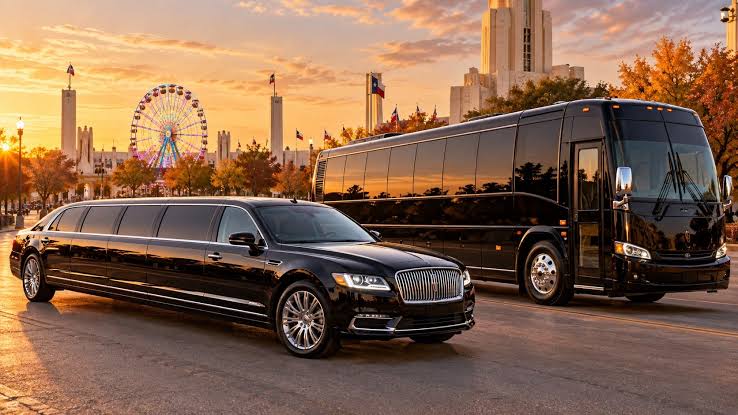
A limousine is designed around an intimate VIP experience. Whether you select a classic stretch limousine or an Escalade limousine, the setting is refined, enclosed, and ideal for passengers who want a memorable entrance, conversation, and dedicated personal service. It is often the natural choice for couples, small wedding parties, executives, and guests attending a formal occasion.
A party bus is designed around shared space and group energy. It gives passengers room to move, interact, and travel together rather than splitting into multiple vehicles. With perimeter seating, a taller cabin, climate control, and entertainment features, it can turn the transfer itself into part of the occasion.
Neither vehicle is automatically better. A limousine delivers intimacy and presentation. A party bus delivers capacity and a more flexible group environment.
When a Limousine Is the Right Choice
Choose a limousine when the guest list is smaller and the experience needs to feel especially personal. A couple leaving a wedding reception, a VIP client arriving at a hotel, or a family celebrating a milestone often appreciates the privacy of a luxury cabin and the visual impact of a chauffeured limousine at the curb.
For corporate travel, a limousine can also make practical sense. A smaller executive group can use the quiet setting to review plans, speak privately, or simply decompress between Miami International Airport and a meeting in Brickell. A professional chauffeur handles the route, luggage coordination, and timing while guests arrive composed and on schedule.
A limousine is particularly well suited to point-to-point service or a short series of planned stops. Think dinner in Palm Beach followed by a performance, a wedding ceremony and reception, or an airport transfer for a small family with manageable luggage. The vehicle feels intentional rather than oversized.
Limousine Advantages
The strongest reason to reserve a limousine is the level of privacy. Passengers sit close enough to converse comfortably, and the vehicle creates a distinct VIP arrival for formal events. It also works well when the itinerary requires precise timing, discreet service, and a polished presentation.
There are trade-offs. Stretch limousines have more limited luggage space than passenger vans or buses, especially when every seat is occupied. They are also less practical for large groups, guests with substantial cruise luggage, or an itinerary that includes frequent boarding and exiting for 15 or more passengers.
When a Party Bus Makes More Sense
A party bus is often the clear choice when keeping everyone together matters most. It can eliminate the uncertainty of coordinating several cars, managing separate arrival times, or asking guests to navigate an unfamiliar area after an event. One professional chauffeur, one vehicle, and one planned pickup sequence create a more controlled experience.
This is valuable for wedding parties traveling from the hotel to photos, ceremony, and reception. It is equally useful for birthday celebrations, concerts, sporting events, bachelor and bachelorette outings, and large family celebrations. Guests can enjoy the ride together while the chauffeur manages traffic, venue access, and the next stop.
For a group headed from Fort Lauderdale-Hollywood International Airport or Port Everglades to a hotel, capacity is often the deciding factor. A party bus can be an excellent solution for a sizable party, but luggage requirements must be discussed at booking. Passenger count alone does not tell the whole story when travelers are carrying suitcases, garment bags, golf clubs, or cruise luggage.
Party Bus Advantages
The major benefit is shared capacity. A party bus gives larger groups a single point of coordination, which can make a full evening or multi-stop itinerary feel far more organized. It is also more forgiving when guests want to socialize rather than remain seated for the entire ride.
The trade-off is that a party bus creates a different mood. It is less intimate than a limousine and may feel excessive for a couple, a small executive team, or a quiet airport transfer. For a black-tie event, some clients also prefer the classic visual statement of a limousine over a larger group vehicle.
Capacity, Luggage, and Comfort Should Lead the Decision
It is easy to choose based on photos alone. A better approach is to begin with the actual travel plan: the number of passengers, the amount of luggage, the pickup locations, and the number of stops. These details determine whether the vehicle will feel comfortable throughout the reservation.
A limousine may be ideal for six to 10 passengers attending an evening event, depending on the specific vehicle configuration. A party bus can accommodate considerably more people, but the exact capacity varies by model and the intended use. A group traveling light for a local celebration can use seating differently than a group arriving for a weeklong Florida vacation.
Comfort also means access. Consider whether anyone in the group needs easy entry, whether formal attire could be affected by a crowded cabin, and whether older family members will be joining the trip. A reservation professional can recommend the appropriate vehicle once these needs are known.
Compare the Cost by Value, Not Just the Vehicle Rate
A limousine may appear to be the more economical selection for a small group because it matches the party size closely. For a larger gathering, however, a party bus can offer better overall value than reserving several SUVs or limousines. Keeping everyone in one vehicle can also reduce delays caused by missed turns, parking, staggered departures, and guests arriving separately.
The most accurate comparison accounts for the full itinerary. Hourly reservations, late-night service, multiple pickup locations, tolls, airport procedures, and waiting time can all affect the final plan. Fixed, transparent pricing is especially valuable for event transportation because organizers can budget confidently rather than worry about surge pricing or unexpected fees.
Ask for a vehicle recommendation based on the complete schedule, not only the first transfer. A service that begins at a Miami Beach hotel, continues to dinner, then ends at a stadium requires a different approach than a direct airport-to-resort ride.
Match the Vehicle to the Occasion
A limousine is usually the stronger fit for weddings, anniversaries, executive travel, romantic evenings, and smaller VIP groups. It offers a refined environment that supports discretion and makes arrival feel special.
A party bus is usually the stronger fit for larger wedding parties, group celebrations, concerts, team outings, graduation events, and multi-stop nightlife plans. It keeps the group together and gives the chauffeur a clear, coordinated route to manage.
For cruise transfers and airport arrivals, do not assume either option is best until luggage is considered. A luxury SUV, Mercedes-Benz Sprinter, passenger van, or motor coach may be a better match for certain groups. The highest standard of travel is not about selecting the largest or flashiest vehicle. It is about selecting the vehicle that fits every passenger and every bag without compromise.
Plan the Reservation Around the Experience You Want
The right reservation starts with a few precise details: passenger count, luggage count, date, pickup window, destinations, and any special timing requirements. For weddings and major events, share the timeline early so the chauffeur service can account for photography, venue access, loading areas, and the possibility of traffic around popular Florida destinations.
Florida Limo Services can help clients select a vehicle that reflects the occasion while supporting a dependable door-to-door plan. With professional chauffeurs, immaculate air-conditioned vehicles, and 24/7 reservation support, the focus remains on punctual, attentive service from the first pickup through the final drop-off.
Choose a limousine when privacy, elegance, and a standout arrival matter most. Choose a party bus when the group itself is the occasion and traveling together is part of the celebration. The best ride is the one that lets every guest relax, arrive on time, and enjoy the plans waiting at the next stop.

Selecting Airport Meetup Locations With Ease
A missed airport pickup rarely happens because the vehicle is late. More often, it begins with vague instructions like "outside baggage claim"...
Selecting Airport Meetup Locations With Ease
A missed airport pickup rarely happens because the vehicle is late. More often, it begins with vague instructions: “outside baggage claim,” “near the rideshare area,” or “by the exit.” At a busy Florida airport, those directions can leave travelers on different levels, at different doors, and on opposite sides of the terminal. Selecting airport meetup locations in advance turns a potentially frustrating arrival into the calm, polished start of a private transfer.
For executives protecting a meeting schedule, families managing children and luggage, or guests arriving for a cruise, wedding, or resort stay, the pickup point is part of the travel experience. A professional chauffeur service should make that point clear before wheels touch down, then adjust intelligently when the airport, flight, or traveler’s needs call for a different plan.
Why the Pickup Point Deserves More Attention
Airport terminals are designed around traffic flow and security, not around easy reunions. Arrivals may exit from one of several doors. Ground transportation may be assigned to a commercial lane, a prearranged vehicle area, or a designated curb that changes by terminal and time of day. Construction, congestion, weather, and major events can alter the practical choice further.
The best meetup location balances three priorities: it must be permitted by airport rules, easy for the traveler to identify, and practical for the vehicle reserved. A sedan collecting one business traveler can often use a different curbside arrangement than a Mercedes-Benz Sprinter van collecting eight guests with cruise luggage. A 56-passenger motor coach needs even more planning, including a safe loading zone that does not block terminal traffic.
This is why “meet outside” is not a transportation plan. A specific terminal, arrival level, door or numbered zone, and contact process provide the certainty that premium travel requires.
Selecting Airport Meetup Locations by Arrival Style
There are two primary approaches: curbside pickup and inside meet-and-greet service. Neither is universally better. The right choice depends on the guest, airport procedures, luggage, and the level of assistance required.
Curbside pickup for travelers ready to move
Curbside pickup is efficient for travelers who know the airport, have limited luggage, and can proceed directly from the terminal once they receive pickup instructions. It is often a strong fit for solo executives, frequent flyers, and couples traveling light.
The essential detail is accuracy. Guests should know whether to exit from baggage claim or the arrivals level, which door or zone to use, and whether they should wait at the curb or contact their chauffeur after stepping outside. At large airports such as Miami International Airport, Orlando International Airport, or Fort Lauderdale-Hollywood International Airport, simply naming the terminal is usually not enough.
Curbside service also requires patience from both sides. Airport officers may keep vehicles moving, which means a chauffeur may need to circle rather than remain stationary. Clear communication prevents the traveler from assuming that a vehicle is missing when it is following airport traffic rules.
Inside meet-and-greet for added assistance
An inside meetup is often the more comfortable option for first-time visitors, families with young children, elderly travelers, international guests, and clients carrying substantial luggage. A uniformed professional chauffeur or designated representative can meet the party at an agreed location, typically near baggage claim or another authorized arrivals-area landmark, with clear identification.
This approach reduces the burden on the arriving guest. Instead of searching for a curb zone while handling bags and navigating an unfamiliar terminal, the party receives personal guidance from the terminal to the waiting vehicle. It also creates a more discreet, attentive welcome for VIP travelers and corporate guests.
Inside service can involve airport-specific access rules or parking arrangements, so it should always be arranged in advance. The goal is not to promise a generic greeting in every situation. It is to confirm a permitted, practical meeting plan that works for that airport and the traveler’s itinerary.
Start With the Flight Details, Not the Terminal Guess
Airlines occasionally change gates and terminals, and a flight may arrive early, late, or after a long wait for a gate. The reservation should include the airline, flight number, arrival date, scheduled time, and a mobile number that will work upon landing. Those details allow the transportation team to monitor the arrival and prepare the chauffeur around the actual flight status.
Travelers should still review their pickup message after landing. The final instructions may account for a terminal change, traffic controls, or a temporary adjustment to the airport’s commercial vehicle procedures. A short confirmation message can eliminate a long walk in the wrong direction.
For international arrivals, allow extra flexibility. Passport control, customs, checked baggage, and inspection procedures make the landing time only the first part of the arrival timeline. An inside meet-and-greet or a carefully timed curbside plan is particularly valuable when guests are unfamiliar with the process or traveling with several bags.
Match the Meetup Plan to the Vehicle and Party
The size of the group is not the only consideration. Luggage volume, mobility needs, child seats, and the type of occasion all affect the best location and loading plan.
A family of five returning from a week at a Florida resort may need more time and curb space than three executives with carry-on bags. A wedding party may arrive on separate flights and need a holding plan until everyone is present. A corporate coordinator may prefer separate pickups for senior leaders to preserve privacy and keep each transfer on schedule.
For larger groups, avoid asking guests to “find the van.” A better plan identifies the exact meeting zone, names one group contact, and establishes what happens if some passengers reach the curb before others. With a passenger van, Sprinter, coach bus, or motor coach, organized loading matters. It protects the schedule, keeps luggage accounted for, and helps travelers avoid standing in active traffic lanes.
At Florida Limo Services, reservations are planned around passenger count, luggage needs, flight information, and destination requirements, so the assigned vehicle and pickup method support the full journey rather than just the first few minutes outside the terminal.
Make Instructions Easy to Use Under Pressure
A traveler coming off a flight may be tired, jet-lagged, managing children, or checking work messages. Pickup instructions should be brief enough to follow on a phone without rereading a long paragraph. The best instructions answer four questions:
- Where should I go?
- What sign, door, or landmark should I look for?
- When should I contact the chauffeur?
- What should I do if I cannot find the location?
Avoid instructions that rely on local knowledge, such as “go to the usual limo area.” Airports have different layouts, and even repeat travelers may not know a particular terminal. Use the airport’s official terminal language when possible, then add a simple visual reference such as a door number, column marker, or ground transportation zone.
The contact plan deserves equal attention. Travelers should save the dispatch or chauffeur number before departure and turn their phone on after landing. If international roaming is uncertain, airport Wi-Fi can help, but it is wiser to confirm the meeting instructions before the flight whenever possible.
Plan for Delays Without Creating Confusion
A well-managed airport pickup is flexible, but flexibility should not mean uncertainty. Flight monitoring helps the chauffeur respond to a delayed or early arrival, while a defined waiting policy explains what happens once the traveler is ready at the confirmed location.
Baggage delays require a different response than flight delays. If luggage is missing or a traveler is held by customs, the guest should notify the transportation provider as soon as practical. The chauffeur can then follow the agreed plan rather than guessing whether the passenger has exited through another door.
Weather and airport congestion may also require a revised curbside point. In that situation, one clear instruction is better than multiple messages. Travelers should follow the latest confirmed direction and avoid crossing terminal roadways or entering restricted loading zones to reach the vehicle.
A More Confident Arrival Starts Before Departure
The finest airport transfers feel effortless because the details were handled early: the flight is monitored, the vehicle fits the party, the chauffeur knows the route, and every traveler understands the meetup point. That preparation brings a higher standard of travel to the moment when most airport trips become disorganized.
Before departure, confirm the terminal, pickup method, contact number, passenger count, and luggage requirements. Then let the arrival unfold as it should: with a clean, air-conditioned vehicle, a professional chauffeur, and a clear path from the terminal to your Florida destination.

Top Benefits of Fixed Fares for Florida Travel
A late flight into Miami, a packed PortMiami departure morning, or a meeting that cannot start without you is not the time to wonder...
Top Benefits of Fixed Fares for Florida Travel
A late flight into Miami, a packed PortMiami departure morning, or a meeting that cannot start without you is not the time to wonder what your ride will cost. The top benefits of fixed fares are simple but meaningful: you know the rate before you reserve, can plan around it confidently, and arrive with a professional chauffeur rather than another variable in an already busy itinerary.
For travelers who expect a higher standard of travel, a fixed-rate private car service is about more than avoiding an unpleasant total at the end of a trip. It creates certainty around the entire door-to-door experience, from airport pickup and luggage assistance to the final arrival at a hotel, cruise terminal, office, or event venue.
Fixed Fares Bring Certainty to Every Transfer
Florida travel can be wonderfully efficient when plans hold, but airports, cruise ports, sporting events, conventions, and seasonal traffic all put pressure on ground transportation. A fare that changes by the minute can make a delayed arrival or slow-moving pickup zone feel even more frustrating. With a fixed fare confirmed in advance, the price remains tied to the reserved service rather than real-time demand.
That matters when landing at Miami International Airport after a long flight, coordinating a family transfer from Fort Lauderdale-Hollywood International Airport, or leaving a gala in Palm Beach. You can focus on your guests, bags, timing, and destination instead of watching a meter or refreshing an app.
A transparent fixed price should be clearly explained before the reservation is finalized. Travelers should still review what the quote covers, including vehicle type, pickup and drop-off details, any planned stops, tolls, waiting time policies, and applicable service charges. Fixed pricing is most valuable when it is paired with clear terms, not vague promises.
1. No Surge Pricing When Demand Is Highest
Surge pricing often appears at precisely the moments travelers have the fewest alternatives: after a flight delay, during a rainstorm, at the end of a major concert, or during a peak cruise turnaround. The vehicle may be the same, and the route may be the same, yet the price can rise because demand is high.
A reserved fixed fare removes that uncertainty. Whether the itinerary involves an early airport departure, a late-night Miami Beach pickup, or transportation after a corporate dinner, the agreed rate does not become more expensive simply because the city is busy. This is especially reassuring for guests arriving from out of town who may not know local traffic patterns or pickup conditions.
There is a practical distinction worth making. Fixed pricing protects the booked trip from demand-based increases, but significant itinerary changes can affect the fare. Adding multiple unscheduled stops, changing to a distant destination, extending hourly service, or requesting a larger vehicle may require a revised quote. Clear communication keeps those changes straightforward.
2. Better Budget Control for Families, Companies, and Events
Transportation is easier to manage when the number on the confirmation is the number used for planning. Families can budget a private SUV or passenger van for an airport-to-resort transfer without worrying that a delayed flight will turn the ride into a surprise expense. Cruise guests can arrange a transfer between a Florida airport and Port Everglades or PortMiami while keeping embarkation-day spending predictable.
For corporate travel coordinators, fixed fares create cleaner approval and reconciliation processes. An executive transfer can be reserved at an established cost, assigned to the right traveler, and recorded without waiting for a fluctuating final receipt. That predictability is useful for client visits, conference schedules, roadshows, and airport transportation for senior leadership.
Event planners gain the same advantage at a larger scale. A wedding party may need a stretch limousine, Sprinter van, or motor coach; a convention may require several coordinated airport arrivals. When transportation costs are quoted in advance, organizers can allocate funds to the right vehicle capacity and service window instead of building a large contingency for variable pricing.
3. Premium Service Is Easier to Plan Properly
A fixed fare supports a reservation-based experience. The service can be planned around a specific flight, terminal, hotel entrance, cruise terminal, meeting location, passenger count, and luggage requirement. That level of preparation is different from simply requesting the nearest available car.
For example, an executive traveling from Miami International Airport to a Brickell meeting may need a quiet sedan, a polished arrival, and time to prepare during the ride. A family arriving with several suitcases may need an SUV or passenger van with enough room for everyone to travel comfortably. A group heading from Orlando to a special event may need a Sprinter van or coach with coordinated pickup timing.
The fare is fixed, but the service should not feel generic. A professional chauffeur can follow a pre-planned route, monitor the reservation details, assist with a smooth pickup, and provide the privacy expected in a premium vehicle. The price certainty gives the transportation provider and traveler a shared, clear plan from the start.
4. Less Stress When Flights and Roads Do Not Cooperate
Air travel rarely follows a perfect script. Gates change, baggage takes longer than expected, and highway traffic can shift unexpectedly around Miami, Fort Lauderdale, Orlando, or Key West. These realities are why travelers choose a private chauffeur service in the first place: they want a dependable point of contact and a vehicle arranged for their needs.
Fixed fares reduce the financial anxiety that can accompany those disruptions. Instead of feeling penalized because demand rises around an airport at an inconvenient time, the traveler has the reassurance of an advance reservation and a known rate. With Florida Limo Services, that reservation is supported by 24/7 availability, professional chauffeurs, and a fleet selected to fit everything from discreet executive transfers to large-group charter transportation.
Still, it is wise to understand the provider's waiting-time and flight-monitoring policies before booking. A strong service will explain how it handles flight delays, international arrivals, and extended waits. The goal is not to pretend disruptions never happen. It is to have a professional plan when they do.
5. More Confidence in Choosing the Right Vehicle
When price is transparent, travelers can make better decisions about comfort and capacity. Instead of selecting the smallest possible ride because the final cost is unknown, they can choose a vehicle that fits the occasion. That could mean an executive sedan for one or two business travelers, an Escalade for a VIP airport arrival, or a Mercedes-Benz Sprinter for a group with luggage.
This is particularly valuable for weddings, family vacations, and cruise transfers, where an undersized vehicle can create avoidable stress. A fixed quote lets passengers compare options based on the factors that actually matter: seating, luggage room, presentation, privacy, amenities, and the level of service required.
The lowest fare is not always the best value. A vehicle that cannot accommodate luggage, requires splitting the group, or arrives without the polish expected for an important occasion can cost more in time and inconvenience. A clear fixed rate makes it easier to weigh total value rather than chase an uncertain starting price.
6. A More Professional Experience for Guests and Clients
For corporate hosts, planners, and private hosts, transportation reflects directly on the person who arranged it. A guest should not be left at the curb trying to determine whether a fare has doubled after a delayed flight. A client should not have to squeeze into a vehicle that was never selected for the actual group size.
Prearranged fixed-rate transportation signals care. It tells a guest that their arrival has been considered, their route has been planned, and their ride is handled. Uniformed chauffeurs, immaculate air-conditioned vehicles, and punctual pickup reinforce that message long before a business meeting or celebration begins.
That confidence also extends to the return trip. Once a traveler has a reliable arrangement from the airport, hotel, office, or venue, it is easier to schedule the next transfer with the same level of clarity. For travelers moving through Florida on a tight itinerary, that continuity is a genuine luxury.
When Fixed Fares Offer the Most Value
Fixed fares are especially helpful when timing, image, or logistics matter. Airport and seaport transfers, executive travel, weddings, group outings, and long-distance Florida transfers all benefit from a confirmed price and an assigned transportation plan. They are also valuable when traveling during high-demand periods, when variable pricing can be least predictable.
For a very short, spontaneous trip with no luggage and no schedule pressure, an on-demand option may be adequate. But when the ride needs to be punctual, private, spacious, and professionally presented, a fixed fare gives travelers something far more useful than a low starting estimate: confidence.
Before confirming your next Florida transfer, provide accurate passenger, luggage, flight, and destination details, then select a vehicle that suits the occasion. A clear quote and a well-planned chauffeur reservation leave you free to step out of the terminal, hotel, or venue knowing the next part of the journey is already handled.

How to Plan Group Charters Without the Stress
A group waiting at a Miami hotel curb while several rideshare drivers circle the block is not the start of a premium event...
How to Plan Group Charters Without the Stress
A group waiting at a Miami hotel curb while several rideshare drivers circle the block is not the start of a premium event, cruise, or corporate program. Knowing how to plan group charters means designing the transportation around your people, their luggage, their schedule, and the moments when being late is simply not an option.
For a wedding party headed to a waterfront venue, a company traveling between Orlando meetings, or a family departing from PortMiami, the goal is the same: everyone arrives together, comfortable, and on time. The strongest charter plan is not complicated, but it is detailed well before the travel date.
Start With the Real Headcount, Not the RSVP List
The first number a charter provider needs is the number of passengers who will actually ride in each direction. That may be different from the guest list. Some attendees may drive themselves, arrive from a different airport, or only need return transportation after an evening event.
Build your working count around confirmed riders, then allow a reasonable buffer. A vehicle filled exactly to its published passenger maximum can work for a short local trip with light bags. It may feel tight for an airport transfer, cruise departure, golf outing, or full-day itinerary where everyone carries luggage, garment bags, equipment, or shopping bags.
Consider the composition of the group as carefully as its size. Executives traveling with carry-ons have different needs than a multigenerational family with strollers. A wedding party in formal attire needs room to enter and exit gracefully. Guests who may need mobility assistance should have a vehicle and loading plan that supports them comfortably.
How to Plan Group Charters Around the Itinerary
A charter is only as reliable as the schedule behind it. Write out the day in travel order, including pickup locations, each stop, the required arrival time, and the final return destination. Avoid planning only for departure times. What matters is when the group needs to be at the airport terminal, cruise port, restaurant, ballroom, stadium, or meeting room.
For airport and seaport travel, include time for luggage collection, terminal traffic, security procedures, boarding cutoffs, and the occasional delayed arrival. At PortMiami and Port Everglades, large embarkation days can create congestion that deserves more than a few extra minutes. A professional chauffeur service can pre-plan the route, but the itinerary should leave room for the realities of Florida travel.
Corporate planners should also identify the non-negotiable moments of the day: the keynote, client dinner reservation, site tour, or flight departure. Leisure groups may prioritize a timely dinner, show, concert, or sunset cruise. Once those fixed points are clear, pickups and transfer windows become much easier to organize.
A useful itinerary includes these details in one place:
- Primary contact name and mobile number
- Every pickup and drop-off address, including hotel or venue entrance
- Requested pickup time and required arrival time
- Flight, cruise, event, or reservation details when relevant
- Passenger count and estimated luggage volume
- Any special requests, such as multiple stops or accessibility needs
Share the final version with the transportation provider and the group leader. Guests do not need to manage every operational detail, but they should know where to meet, when to be ready, and who to contact if their plans change.
Choose Capacity for Comfort, Not Just a Seat Count
The right vehicle protects the tone of the occasion as well as the schedule. An executive sedan or luxury SUV suits a small VIP party, while passenger vans and Mercedes-Benz Sprinter vans provide a refined solution for smaller groups needing extra space. For larger wedding parties, corporate delegations, and cruise groups, a shuttle-style vehicle, coach bus, or 56-passenger motor coach may be the more practical choice.
Do not make the decision by passenger capacity alone. Ask how much luggage the group will bring, whether the route includes longer highway travel, and how long guests will be on board. A group of 12 travelers with checked bags may need a different configuration than 12 attendees being transported ten minutes between a Miami Beach hotel and a reception venue.
There is also a service trade-off to consider. One larger vehicle keeps everyone together and simplifies timing. Two or more vehicles can offer flexibility when guests have different pickup points or return schedules. For a wedding, separate transportation for the wedding party and guests may preserve a polished arrival while keeping the broader logistics simple. For corporate travel, a dedicated executive vehicle can accommodate senior leadership while a coach handles the full delegation.
Book Early When the Date Carries Demand
Florida's calendar moves quickly. Major conventions, holiday weekends, peak cruise dates, sporting events, Art Week, spring break, and wedding season can all affect vehicle availability and travel times. If the date is firm, reserve transportation before finalizing smaller details such as meal selections or guest favors.
Early booking gives you more choice across vehicle categories and more time to coordinate route planning. It is particularly valuable for groups requiring multiple vehicles, airport meet-and-greet coordination, a full-day chauffeur, or late-night return service.
When requesting a quote, be specific about the scope of service. A one-way airport transfer is priced differently from hourly transportation with multiple stops. Ask whether the rate is fixed, what is included, and whether parking, tolls, waiting time, or additional stops affect the total. Transparent pricing matters because a group budget can unravel quickly when transportation costs are unclear.
Florida Limo Services provides fixed-rate reservations without surge pricing or hidden fees, allowing organizers to confirm transportation costs with more confidence before the day arrives.
Assign One Point Person and a Clear Communication Plan
The most common source of group transportation stress is not the vehicle. It is scattered communication. When six people are texting the chauffeur separate instructions, small changes become larger problems.
Choose one transportation lead who can approve changes, confirm passenger counts, and communicate with the chauffeur or reservation team. For a corporate group, this may be the travel coordinator or executive assistant. For a wedding, it may be the planner, maid of honor, or a family member who will not be occupied with ceremony responsibilities. For a family cruise, appoint the traveler who has everyone’s flight and cabin details.
Send guests a short message the day before departure with the pickup time, exact meeting point, dress or luggage reminders if needed, and a request to be ready early. At airports and large resorts, specify the entrance or designated pickup zone rather than relying on a general address. Those few details prevent a lot of curbside confusion.
Plan for Florida Conditions That Can Shift the Day
A premium charter plan has a little breathing room. Afternoon rain, bridge traffic, construction, event closures, cruise-terminal congestion, and delayed flights are all normal parts of travel across South Florida and Central Florida. The answer is not to build an excessively long day. It is to identify where flexibility is possible and protect the times that cannot move.
For airport arrivals, provide flight information so the pickup can be coordinated around the actual landing. For an evening event, choose a pickup window that gets the group to the venue before the rush. For multi-stop itineraries, decide in advance how long the vehicle should wait at each location and what happens if the group runs late.
If alcohol will be served, especially at a wedding, celebration, or sporting event, round-trip charter service is more than a luxury. It gives guests a responsible, comfortable way to enjoy the occasion without dividing the group or worrying about parking and designated drivers.
Confirm the Details Before They Become Emergencies
A final confirmation 48 to 72 hours before service should cover the vehicle type, pickup time, pickup location, passenger count, luggage estimate, route, stops, and return plan. Confirm the primary contact and a backup contact as well. If flights, venue access, or guest numbers have changed, this is the time to correct the reservation.
On the day of service, keep the group moving with a simple rule: be ready before the scheduled pickup time, not at it. Professional chauffeurs can manage traffic, loading, and route adjustments, but they cannot recover time lost while passengers search for bags or finish checking out of a hotel.
The finest group travel feels effortless because the planning happened quietly in advance. Give your guests a clear meeting point, a comfortable place to sit, and a professional chauffeur who is prepared for the route. Then the ride becomes part of the occasion rather than another task for someone to manage.

Private Driver Versus Rental Car for Florida
A late-afternoon arrival at Miami International can set the tone for an entire trip. After a flight, baggage claim, and crowded pickup areas...
Private Driver Versus Rental Car for Florida
A late-afternoon arrival at Miami International can set the tone for an entire trip. After a flight, baggage claim, and crowded pickup areas, the choice between a private driver versus rental car is not simply about getting from point A to point B. It affects how much time you spend waiting, navigating, parking, coordinating a group, and settling into Florida.
For some travelers, a rental car offers useful independence. For others, a reserved luxury vehicle with a professional chauffeur creates a more efficient, private, and polished experience from the moment they land. The right choice depends on your itinerary, party size, destination, and expectations for comfort.
Private Driver Versus Rental Car: The Real Difference
A rental car puts you behind the wheel. You collect the vehicle, review its condition, find your way out of the airport, manage fuel, pay tolls, locate parking, and return the car before departure. That can work well for travelers planning to explore independently over several days, particularly in areas where they expect to drive frequently.
A private driver removes those operational details. Your chauffeur arrives according to the reservation, monitors the plan, assists with luggage, and provides direct transportation to your hotel, residence, cruise terminal, meeting, or venue. Rather than navigating unfamiliar roads after a flight, you can use the ride to make calls, review an agenda, enjoy a quiet moment, or simply arrive refreshed.
The distinction is especially meaningful in Florida markets where traffic patterns, major events, cruise schedules, airport construction, and limited parking can all add uncertainty. A professional chauffeur is not just providing a vehicle. They are managing the route, timing, pickup logistics, and driving responsibility behind the scenes.
Compare the Full Cost, Not Just the Daily Rate
At first glance, a rental car may appear to be the lower-cost option. The advertised daily rate, however, is only one part of the decision. Depending on the booking, the final cost can include insurance options, airport concession fees, fuel, tolls, hotel parking, garage charges, valet fees, additional-driver fees, and penalties related to late returns or refueling.
For a private driver, a fixed reservation rate gives travelers a clearer view of the transportation expense before the trip begins. This is particularly valuable for corporate travel coordinators, families, and event planners managing a defined budget. When pricing is transparent, there is less need to calculate changing parking costs or determine whether a ride across town will require another vehicle, another driver, or another payment.
The comparison also changes when several people are traveling together. A luxury SUV, passenger van, or Mercedes-Benz Sprinter can often accommodate the full party and luggage in one coordinated booking. That may be more practical than renting multiple cars, arranging additional parking, and keeping everyone on schedule separately.
Airport and Cruise Port Arrivals Favor a Chauffeur
Airports and cruise ports are where a private driver often provides the clearest advantage. At Miami International Airport, Fort Lauderdale-Hollywood International Airport, Orlando International Airport, PortMiami, or Port Everglades, arriving travelers may be dealing with baggage, children, formal attire, business equipment, or the urgency of a sailing or meeting.
With a pre-arranged chauffeur, the pickup is planned around the correct terminal, arrival time, passenger count, and luggage requirements. A clean, air-conditioned vehicle is ready for the party, rather than requiring a walk to a rental counter, a wait in line, and a second trip through a large parking facility.
For cruise guests, this difference can be even more welcome. A private transfer provides door-to-door transportation between the airport, hotel, and terminal without the need to keep a rental vehicle parked during a voyage or schedule a return at an inconvenient time. It also gives families and groups a more composed start to what should feel like a vacation.
Time Has Value on a Short Florida Visit
A rental car can make sense for a week-long trip built around independent driving, but it can consume valuable time on a brief visit. Picking up and returning a vehicle may take longer than expected during busy travel periods. Once on the road, drivers must remain focused on directions, toll lanes, local traffic, and parking rules.
A private driver lets the passengers keep moving without dividing their attention. An executive traveling from Miami International Airport to Brickell for a meeting can prepare during the ride. A couple heading from a Miami Beach hotel to dinner can enjoy the evening without assigning someone to drive. A wedding party can arrive together, on time, with no concern about separate vehicles finding the same venue.
Hourly chauffeur service is particularly useful when the itinerary includes several stops. Instead of moving a rental car from garage to garage, guests can be dropped close to each destination and collected when ready. The vehicle remains part of the plan, not another task to manage.
Parking, Traffic, and Toll Roads Change the Equation
Florida's major travel markets are enjoyable because there is always something happening. That also means congestion. Miami Beach, South Beach, downtown Miami, Fort Lauderdale beach areas, Orlando resort corridors, and event districts can be challenging for unfamiliar drivers, especially at peak times.
Parking may be expensive, limited, or far from the actual destination. Valet service can simplify the process, but it adds cost and still requires the driver to retrieve the vehicle later. A chauffeur handles the arrival and departure logistics while you focus on the hotel, restaurant, conference, concert, or celebration ahead.
Toll roads are another consideration. They can be efficient, but rental-car toll programs may add administrative charges beyond the toll itself. A professional driver understands the local road network and can select routes that support the timing and needs of the reservation.
Privacy and Presentation Matter for Business and Events
For executive transportation, the quality of the journey matters as much as the destination. A private vehicle offers a discreet setting for conversation, calls, and preparation. There is no need for a client, colleague, or visiting executive to wait at a rental counter or navigate unfamiliar streets after a long flight.
The same is true for weddings, formal events, and VIP occasions. A uniformed professional chauffeur, immaculate vehicle, and planned arrival support the level of presentation the occasion deserves. Whether the right choice is an executive sedan, Cadillac Escalade, stretch limousine, or motor coach, the transportation can reflect the importance of the event without adding pressure to the host.
When a Rental Car Is the Better Choice
A rental car is not the wrong answer for every Florida trip. It can be a practical fit for travelers staying outside major city centers, planning frequent spontaneous drives, or visiting several remote destinations over many days. Guests who prefer complete independence and are comfortable with local driving conditions may value having a car available at all times.
It may also suit a traveler with a simple itinerary, limited luggage, and accommodations that include convenient complimentary parking. If the schedule has few timed commitments and the driver does not mind handling the details, renting can offer flexibility.
The key is to be realistic about the experience you want. Flexibility is valuable, but it is not always the same as convenience. On a time-sensitive trip, the ability to avoid airport counters, traffic decisions, and parking searches may be worth considerably more than unrestricted access to a vehicle.
Choose the Vehicle Around the Itinerary
The best transportation decision begins with the trip itself. Consider your arrival airport, hotel location, number of passengers, luggage volume, planned stops, and whether anyone needs to work or relax during transit. A family traveling with strollers and cruise luggage has different needs than two executives attending meetings in Palm Beach. A group attending a concert or sporting event needs different capacity than a couple reserving a dinner transfer in Naples.
Florida Limo Services can match those details with a reserved vehicle and professional chauffeur, from executive sedans and luxury SUVs to Sprinter vans, limousines, and full-size motor coaches. Fixed pricing, 24/7 availability, and coordinated route planning offer confidence when the itinerary cannot be left to chance.
The most comfortable Florida trips begin before the first destination. Choose the transportation that lets you step out of the airport, hotel, or cruise terminal feeling expected, unhurried, and ready for what comes next.

Fort Lauderdale Airport Guide for Easy Arrivals
A smooth South Florida arrival starts before your plane touches down. Fort Lauderdale-Hollywood International Airport can place you...
Fort Lauderdale Airport Guide for Easy Arrivals
A smooth South Florida arrival starts before your plane touches down. Fort Lauderdale-Hollywood International Airport can place you within minutes of Port Everglades, Fort Lauderdale Beach, Las Olas Boulevard, and major Broward hotels, but pickup arrangements, terminal details, traffic, and cruise-day volume can quickly affect the experience. This Fort Lauderdale airport guide helps you plan the details that matter, whether you are arriving for a board meeting, family vacation, wedding weekend, or cruise departure.
Know Your Way Around Fort Lauderdale Airport
Fort Lauderdale-Hollywood International Airport, commonly called FLL, has four passenger terminals. They are identified by colors: Terminal 1 is Yellow, Terminal 2 is Red, Terminal 3 is Purple, and Terminal 4 is Green. Your airline determines the terminal, and airlines can occasionally change gates or terminal operations, so confirm your flight details shortly before departure.
The airport is compact compared with some larger Florida hubs, yet it is not an airport where last-minute assumptions are ideal. Terminal curb areas can become busy during peak arrival banks, holiday weekends, convention periods, and cruise turnaround days. The layout generally separates departures on the upper level and arrivals and baggage claim on the lower level. If someone is meeting you, confirm the terminal, flight number, and your preferred pickup instructions before landing.
For travelers with an early departure, arriving at the correct terminal matters more than shaving a few minutes off the drive. A professional chauffeur who knows the terminal configuration can plan the route, account for airport traffic, and help make the final approach calm rather than rushed.
Allow Extra Time at Peak Travel Periods
FLL is especially active on Friday afternoons, weekends, winter holidays, spring break, and cruise-heavy dates. International flights, checked luggage, security lines, and road congestion can add time even when the airport itself feels manageable.
For domestic flights, plan to be at the terminal well ahead of departure according to your airline's guidance. International travelers should allow additional time for check-in and document review. If you are traveling with children, formalwear, oversized luggage, golf clubs, or several cruise bags, build in more margin than you think you need.
Arrivals, Baggage Claim, and Pickup Planning
After landing, follow signs for baggage claim and ground transportation. The most efficient pickup plan depends on your party size, luggage volume, and whether you want to leave the curb quickly or meet your driver inside.
For a premium arrival, prearranged private transportation provides a more controlled experience than joining a rideshare queue or waiting for a taxi during a busy period. Your chauffeur can monitor the flight, coordinate the appropriate pickup location, and have a vehicle selected for the number of passengers and bags in your party. That difference is significant after a delayed flight, a long travel day, or an arrival with young children or senior family members.
A sedan may suit one or two business travelers with standard luggage. An executive SUV offers additional room and a more private setting for families or executives. For larger parties, Mercedes-Benz Sprinter vans, passenger vans, and motor coaches keep guests together rather than splitting them across multiple vehicles. The right choice is not only about passenger count - it is also about luggage, strollers, garment bags, and the comfort level you expect after a flight.
Meeting a Chauffeur at FLL
Before travel, provide the airline, flight number, arrival date, passenger phone number, and final destination. For international arrivals, remember that immigration, customs, and baggage collection can make timing less predictable. Clear communication allows the transportation team to adjust as needed.
Florida Limo Services offers reservation-based airport transfers with uniformed professional chauffeurs, clean air-conditioned vehicles, and fixed pricing established before the trip. For guests who value privacy, punctuality, and a polished first impression, a confirmed private transfer removes the uncertainty of on-demand pricing and curbside availability.
Fort Lauderdale Airport Guide to Ground Transportation
FLL sits near major roads, including Interstate 95, Interstate 595, U.S. 1, and State Road A1A. That location makes it convenient, but South Florida traffic is highly time-dependent. A route that is straightforward in midmorning can slow considerably during rush hour, heavy rain, major events, or cruise traffic.
Private chauffeured service is often the best fit for travelers on a schedule. Your driver handles airport access, luggage, routing, and the transition from terminal to destination. It is particularly practical for corporate travelers going directly to downtown Fort Lauderdale or Miami, families heading to a resort, and groups traveling to Port Everglades.
Rental cars remain a useful option for guests planning multiple independent stops or extended travel outside the metro area. FLL's rental car facilities are accessible from the terminal area, though collecting a vehicle, reviewing the agreement, and navigating unfamiliar roads may not suit every itinerary. For a short stay centered on beaches, restaurants, meetings, or a cruise, a car can become an added responsibility rather than a convenience.
Taxis and rideshares can work for simple trips, but availability and pricing vary with demand. They also offer less certainty for large groups, travelers with substantial luggage, or guests who need a particular vehicle type. If reliable timing and a fixed rate are priorities, reserve transportation in advance.
Transfers to Hotels, Beaches, and Cruise Ports
One of FLL's advantages is its proximity to many South Florida destinations. Fort Lauderdale Beach and Las Olas hotels are commonly a short drive away, depending on traffic. Downtown Fort Lauderdale, convention venues, and Port Everglades are also close, which makes the airport a favored gateway for both leisure and business travel.
Port Everglades is especially important to plan around. On cruise embarkation and disembarkation days, hotel lobbies, airport curbs, port entrances, and local roads can all be busier than usual. A private transfer with reserved capacity gives your group a direct door-to-door connection and avoids the need to coordinate several cars with separate pickup times.
Miami Beach, downtown Miami, and Miami International Airport are reachable from FLL, but these are not quick transfers during every part of the day. Traffic conditions, bridge routes, and event schedules can change the drive substantially. If your itinerary involves a flight at one airport and a cruise or hotel stay in another city, schedule the transfer with meaningful time to spare.
For wedding parties, incentive groups, and conference attendees, coordinated transportation is more than a luxury. It keeps guests on the same schedule, protects the event timeline, and provides a comfortable place to reset between airport, hotel, venue, and dinner reservations.
Parking and Drop-Off Considerations
Travelers driving themselves will find parking options near the terminals, including garage parking and economy alternatives. Availability and walking distances vary, particularly at busy times. Review current airport parking information before leaving home, and allow time to locate a space, unload bags, and reach your airline's check-in area.
For drop-offs, the upper-level departure curbs are usually the appropriate area. Drivers should expect active enforcement and limited curb waiting. A chauffeur service simplifies this final step by arriving with a planned terminal approach and handling luggage so passengers can proceed directly into the terminal.
If you are collecting arriving guests in your own vehicle, do not assume you can wait at the curb. Coordinate only after passengers have their luggage and are ready for pickup, or use the airport's designated waiting options where applicable. This is particularly helpful when flights arrive early or baggage delivery is delayed.
A Better Departure Day Starts at the Door
The best FLL travel days have one thing in common: the ground plan is settled before the bags are packed. Confirm the terminal, airline timing, passenger count, luggage needs, hotel address, and any cruise or event deadlines. Then choose transportation that matches the importance of the trip.
A reserved, fixed-rate chauffeur transfer gives you room to travel on your terms - quietly, comfortably, and without the distraction of parking, traffic decisions, or uncertain curbside availability. When every connection matters, start your Fort Lauderdale stay with the same care you expect from the rest of your itinerary.

When Should Airport Transfers Leave for a Calm Departure?
A private airport transfer should never feel like the uncertain part of your itinerary. The question of when should airport transfers leave...
When Should Airport Transfers Leave for a Calm Departure?
A private airport transfer should never feel like the uncertain part of your itinerary. The question of when should airport transfers leave is not answered by a single number of minutes. It depends on your airport, flight type, terminal, luggage, party size, traffic conditions, and how much margin you want before boarding begins. For most travelers, the right pickup time is the one that gets you to the terminal calm, organized, and comfortably ahead of schedule - not standing at the gate after a stressful rush.
A professional chauffeur service plans for more than the drive time shown on a map. It considers the route, likely congestion, airport access roads, curbside conditions, and the time required to unload luggage and reach the correct airline counter. That is how a transfer becomes part of a higher standard of travel rather than simply a ride to the airport.
When Should Airport Transfers Leave?
For a domestic flight, a dependable starting point is to arrive at the airport about two hours before departure. For international flights, plan on arriving about three hours before departure. Your airport transfer pickup time should then be scheduled by working backward from that arrival target, adding the actual drive time and a sensible traffic cushion.
For example, if your domestic flight departs Miami International Airport at 10:00 a.m., you may want to be at the terminal by 8:00 a.m. If the drive from Miami Beach is typically 30 minutes, a 7:00 a.m. pickup may be appropriate when allowing time for morning traffic, hotel loading, and terminal drop-off. If you are traveling during a busy convention week, holiday weekend, or heavy rain, moving the pickup earlier is a wise decision.
The goal is not to arrive excessively early every time. It is to protect the parts of the trip you cannot control. A private transfer can be scheduled precisely, but security lines, airline counter waits, road incidents, and airport construction can change quickly.
Start With the Airline's Arrival Recommendation
Your airline is the first source to consult, especially if you are checking bags, traveling internationally, flying during a holiday period, or departing from a large airport at a peak time. Airlines may establish earlier bag-drop deadlines for certain flights, and international carriers can have document-verification requirements that take longer than expected.
If you are traveling with only a carry-on, have completed check-in online, and hold trusted-traveler status, you may need less time inside the terminal. Even then, the transfer should leave early enough to accommodate a delayed elevator at the hotel, a busy valet lane, or an unexpected backup at the airport entrance.
For families, travelers who need mobility assistance, and groups with several checked bags, it is usually better to build in more time. The luxury of a well-planned departure is not merely comfort. It gives everyone room to move at a reasonable pace.
Florida Traffic Changes the Pickup Time
Florida's travel corridors are active throughout the day, and drive time can vary sharply by neighborhood and season. A 25-minute transfer may become 50 minutes during rush hour, after a sporting event, during a downpour, or when traffic is moving toward a cruise port or major entertainment district.
In South Florida, transfers between Miami Beach and Miami International Airport deserve particular attention. Causeways, downtown traffic, construction, and weekday commuting patterns can all affect the route. Travelers departing Fort Lauderdale-Hollywood International Airport should also allow for traffic along I-95, US-1, and local approaches from beach hotels and Port Everglades.
In Central Florida, Orlando International Airport transfers may require additional margin during school breaks, major conventions, and holiday travel periods. Guests staying near theme parks should not assume that an early-morning ride will always be quick. Resort exits, hotel pickup areas, and interstate traffic can add meaningful minutes before the vehicle reaches the open road.
A knowledgeable professional chauffeur monitors conditions and selects the most practical route, but no one can eliminate every traffic variable. Scheduling a reasonable buffer is the most reliable way to preserve a relaxed departure.
Add Time for Your Exact Pickup Location
The address matters as much as the airport. A private residence with curbside access is generally straightforward. A large resort, high-rise condominium, cruise terminal, gated community, or busy event venue may require more coordination.
At a major hotel, the chauffeur may need to enter through a controlled driveway, wait at a designated motor court, or meet guests at a bell desk. If you are leaving a convention, wedding, concert, or sporting event, pedestrian traffic and vehicle restrictions can slow the departure. Plan to be ready in the lobby or designated pickup area several minutes before the scheduled time.
For airport transfers from cruise terminals, allow extra time to disembark, collect luggage, clear the terminal, and locate your vehicle pickup point. Cruise travel often involves a large number of guests leaving at once, so the final stage from ship to vehicle can take longer than expected.
Airport Transfer Timing for Different Travelers
Business travelers often value the shortest practical window, particularly when heading from a meeting to the airport. This can work well when the traveler has TSA PreCheck, no checked luggage, and a domestic flight from a familiar terminal. Even so, a tight schedule should be a deliberate choice, not an assumption based on ideal traffic.
Families benefit from earlier pickups. Car seats, strollers, snacks, carry-ons, children needing restroom breaks, and checked luggage all add small but real moments to the journey. An executive SUV, passenger van, or Sprinter can provide the space to travel comfortably, but extra space does not replace extra time.
Corporate groups and event parties should allow the greatest margin. Coordinating multiple passengers from a hotel, office, conference center, or venue rarely happens as quickly as planned. For a group traveling in a Sprinter van, coach bus, or motor coach, schedule enough time for boarding, luggage loading, headcounts, and a final confirmation that no one has been left behind.
International travelers should be especially conservative. Passport checks, baggage requirements, terminal changes, and international check-in cutoffs can create consequences that a domestic traveler may not face. If the flight leaves early in the morning, arrange the transfer the night before and confirm your pickup details, flight number, passenger count, and luggage needs.
How Much Buffer Is Too Much?
There is a balance. Leaving four hours before a domestic flight from a nearby hotel with no checked bags may be more time than most travelers need. On the other hand, choosing the last possible pickup because the map predicts a short drive can turn one traffic delay into a missed flight.
A practical approach is to use the airline's recommended airport-arrival time, add realistic door-to-terminal drive time, then add 15 to 30 minutes for ordinary uncertainty. Consider more time when traveling at peak periods, departing from a congested area, checking bags, traveling with a large party, or flying internationally.
Early-morning flights require their own judgment. Roads may be clearer, but airport security can still be busy when many departures are clustered into the same morning window. Late-night flights can involve less traffic, yet travelers should account for long walks through expansive terminals and the possibility of reduced staffing at certain counters.
Book the Vehicle That Fits the Itinerary
Pickup timing and vehicle selection work together. A sedan may be ideal for one or two executives with light luggage. An SUV offers added room for families or travelers carrying several bags. For larger parties, a Mercedes-Benz Sprinter, passenger van, limousine, or coach can keep the group together and simplify logistics.
Give your transportation provider accurate luggage information, including golf bags, strollers, garment bags, instruments, or oversized items. The right vehicle prevents a rushed repacking exercise at pickup and allows the chauffeur to load belongings efficiently. It also ensures every passenger travels with the privacy, air-conditioned comfort, and space expected of a premium transfer.
Make the Departure Plan Easy to Execute
Once your airport transfer is reserved, place the pickup time, airline, terminal, and flight number in one shared itinerary. Have luggage ready before the chauffeur arrives, keep passports and identification accessible, and verify that each passenger has their essentials. A few minutes of preparation at the hotel or home can protect the carefully planned margin in your schedule.
Florida Limo Services provides fixed-rate, reservation-based airport transfers with professional chauffeurs, route planning, and 24/7 availability. That allows travelers to set a pickup time with confidence rather than relying on last-minute transportation during a critical part of the journey.
The best airport transfer departure is the one that lets you step out at the terminal composed, with your luggage handled, your plans in order, and enough time to begin the flight exactly as you intended.